
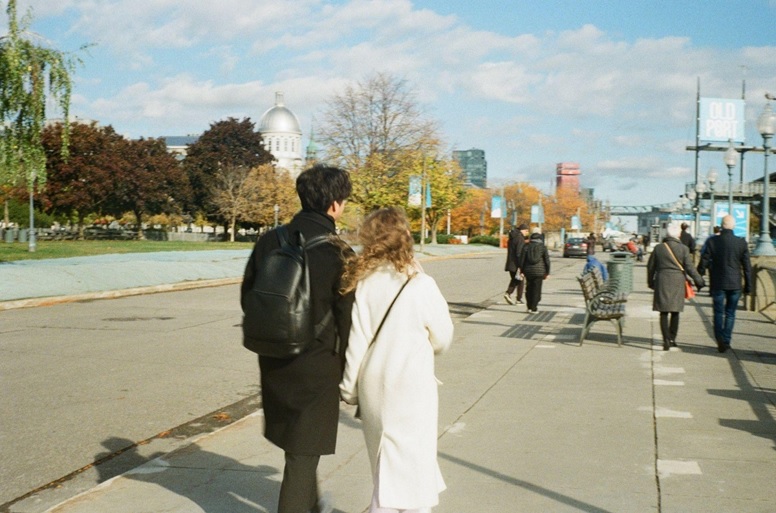

Montreal has quietly shifted what urban comfort actually means. The city no longer chases the polished image of a glass-tower metropolis. It leans into mixed neighbourhoods, walkable streets, layered public spaces and housing that adapts to four very different seasons. Residents now look for more than square footage. They want light, proximity to parks, transit options and a sense of belonging. That mix is reshaping how people choose where to live, work and spend their weekends across the island.
A new rental market shaped by lifestyle priorities
The rental landscape on the island has matured well beyond the basic two-bedroom flat above a depanneur. Tenants compare layouts, natural light, ceiling height and the quality of shared spaces before they sign anything. Many newcomers and young professionals look for condos for rent in Montreal that feel like a real home rather than a temporary stop between two leases. Buildings now compete on amenities, energy performance and the texture of the surrounding street. That shift pushes developers and landlords to think like hospitality operators, not just property owners.
Long term tenants also weigh the daily commute, the closest grocery store and the noise level of the block. A unit that ticks the comfort boxes keeps its value across leases. Quiet windows, solid floors and reliable ventilation matter as much as the kitchen finish. Renters who plan to stay several years treat the apartment like an anchor in their routine. They want furniture to fit, the dog to be welcome and friends to feel comfortable when they drop by on a Sunday afternoon.
Walkable neighbourhoods set the new standard
Comfort in Montreal starts the moment you step outside the lobby. Plateau Mont-Royal, Villeray, Rosemont, Saint-Henri and parts of Verdun all share one trait. You can run most weekly errands on foot. A bakery, a clinic, a hardware store and a coffee shop within a ten minute walk change the rhythm of daily life. The car becomes optional for many households, which frees up budget and removes the friction of parking on snowy mornings.
Local councils have leaned into this pattern. Wider sidewalks, summer terraces, pocket parks and shared streets keep pedestrians at the centre of the picture. Public benches, water fountains and shaded corners turn ordinary blocks into spots where neighbours actually meet. The walkability factor also pushes property values up in a steady way. It rewards owners who maintain their stoops and street fronts because the whole street benefits when each building plays its part in the daily choreography.
Four season design as a baseline comfort
A Montreal winter shows no mercy to a poorly built apartment. Drafty windows, cold floors and weak insulation drain comfort within weeks. Newer projects now treat thermal performance as a basic requirement, not a luxury. Triple glazing, heat recovery ventilation and well planned thermal breaks keep the bill reasonable and the air dry enough to live well from December to March. Summer matters just as much, with cross ventilation and shaded balconies replacing the reflex of running an air conditioner around the clock.
Balconies, courtyards and shared rooftops
Outdoor extensions are no longer a bonus, they are part of the comfort package. A deep balcony lets you eat outside half the year. A green courtyard cools the building and creates a calm pocket away from the street. Shared rooftops give renters access to a wide horizon without owning a single square metre of land. These spaces stretch the usable surface of a small unit and turn dense buildings into communities where people actually cross paths and talk to each other.
Transit, cycling and the freedom to move
Urban comfort in Montreal also rests on the ease of moving across the island. The metro stays one of the most reliable backbones in North America, with stations placed within walking distance of dense residential areas. The REM has added a second layer that opens up the West Island, the South Shore and the airport without the headache of traffic. Bus corridors keep filling the gaps and run late enough to support shift workers and night owls.
The cycling network has grown into a real alternative for half the year, with protected lanes such as the Réseau express vélo crossing the city north to south and east to west. BIXI stations cover most central districts and now reach further into the suburbs. Many residents mix metro, bike and the occasional car share without thinking twice. That flexibility lowers stress, trims expenses and reshapes what people expect from the streets in front of their home.
Cultural depth that you actually use
Festivals get the headlines, but daily cultural life is what truly anchors comfort. Independent bookstores, neighbourhood cinemas, small jazz venues, public libraries with extended hours and free outdoor concerts give residents something to do without booking anything in advance. The cultural offer feels close and human scale, not bottled up in a few flagship venues. A spontaneous Wednesday evening can still surprise you with a vernissage, a poetry reading or a screening you walk into on a whim.
This proximity makes the city feel generous. You do not need to plan a major outing to feel part of something. Parents pop into a library after school. Friends meet at a free concert in a park. Students discover artists in cafés that double as performance spaces. The cultural fabric also nurtures local businesses, because the same crowd that fills the gallery also fills the wine bar next door. Comfort, in that sense, is having choices a few blocks from home.
Green spaces stitched into the urban grid
Mount Royal gets most of the attention, but the real green network runs through smaller parks scattered across every borough. Parc La Fontaine, Parc Jarry, Parc Maisonneuve, Parc Angrignon and dozens of pocket parks turn the city into a chain of green pauses. Residents use them daily for jogging, picnics, dog walks or simply sitting under a tree with a coffee. Trees on residential streets cool the asphalt and soften the noise, which matters during a heatwave or a busy festival weekend.
The city keeps investing in tree canopy, rain gardens and depaved schoolyards. Community gardens give renters without a backyard the chance to grow tomatoes and herbs. Riverside paths along the Lachine Canal and the Saint Lawrence open up long stretches where you can walk or bike for hours without crossing a major road. These green corridors stitch the urban grid together and make density feel breathable instead of crushing, even in the warmer months when everyone wants to be outside.
Food, markets and the joy of slow streets
A comfortable city is one where eating well does not require a car or a reservation a month in advance. Jean Talon, Atwater and Maisonneuve markets keep fresh produce, cheese, bread and prepared foods within reach of central neighbourhoods. Smaller fruit and vegetable shops cover the gaps in residential streets. Renters can build a routine around walking to a market on Saturday morning and chatting with the same vendor about what is in season this week.
Restaurants also lean into the slow street culture, with terraces spilling onto closed sections of Mont-Royal, Wellington or Bernard during the warm months. People linger, kids run between tables, musicians play on the corner. The street stops being a corridor for cars and turns into a shared living room. That experience is now part of what residents look for when they pick a neighbourhood. They want a place where leaving the apartment is itself part of the comfort, not a chore to get through.
The future of urban comfort on the island
The next wave of projects will push the same logic further. Denser corridors near transit, mixed use buildings with daycare and clinics on the ground floor, and renovated triplexes that keep the streetfront character intact. Comfort is no longer measured only inside the four walls of a unit. It includes the quality of the block, the depth of the canopy, the steadiness of the metro and the closeness of a good loaf of bread. Montreal has built a model that treats the city as a continuous home, not a backdrop to private life.

Comments are closed.