
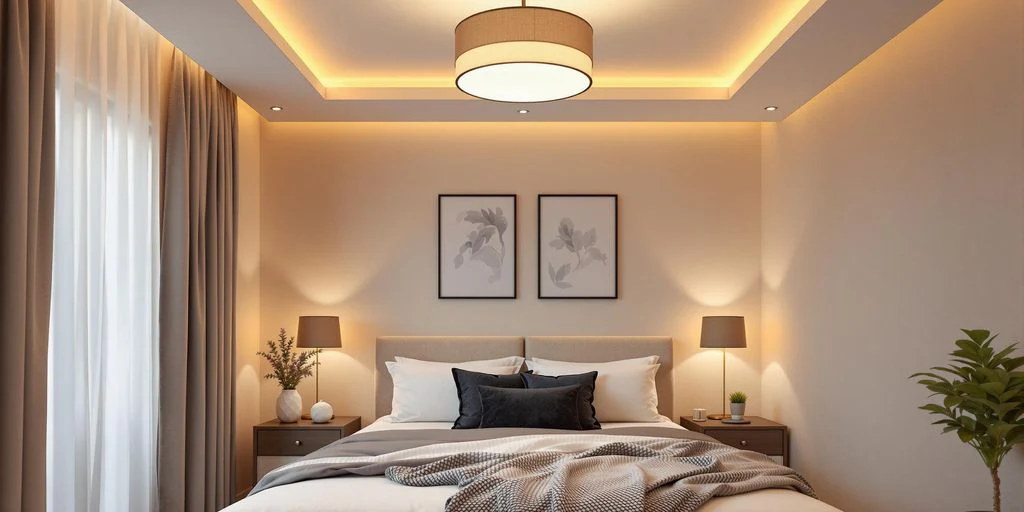

Lighting can completely transform a space – but when you’re working with limited room or specific design goals, traditional fixtures often create more problems than solutions. This is where mini LED lights stand out. Compact, energy-efficient, and highly versatile, they make it possible to add illumination exactly where it’s needed without overcomplicating the setup.
Whether you’re upgrading a cabinet interior, enhancing a display, or working on a DIY project, choosing the right small LED lights comes down to understanding how they perform in real-world conditions – not just how they look in photos.
Where Mini LED Lights Make the Most Sense
One of the biggest challenges in lighting smaller areas is balancing brightness with space limitations. Bulky fixtures can overwhelm the design or simply not fit where you need them.
Mini LED lights solve this by offering:
compact form factors for tight installations
efficient output without excessive heat
flexible placement options
They’re especially effective in areas like shelves, cabinets, workspaces, and decorative setups where precision lighting matters more than raw power.
Common Types of Mini LED Lights
Before choosing, it helps to know what options are available. Each type serves a slightly different purpose:
Small LED light bulbs – ideal for replacing miniature fixtures or upgrading existing setups
Small LED light strips – great for continuous lines of light under shelves or along edges
Small battery LED lights – useful when wiring isn’t practical
Mini LED lamps – portable and convenient for desks or temporary setups
Small LED light pods – focused lighting for accents or directional use
RGB mini LED lights – allow color customization for ambient or decorative effects
Understanding how each type behaves will help you match the lighting to the task instead of forcing a one-size-fits-all solution.
What Actually Matters When Choosing
Size and Placement
Start with the physical space. Measure carefully and think about how the light will be mounted. In tight areas, even a small difference in size can affect the final result.
Power Source
Mini LED lights are available in several power configurations:
USB-powered
battery-operated
low-voltage wired
Battery options offer flexibility, while wired solutions are better for long-term installations.
Brightness and Light Quality
Instead of relying on vague “watt equivalents,” focus on lumens and diffusion. A well-diffused lower-output light often looks more refined than a harsh, overly bright one.
Color Temperature
Choosing the right tone is key:
warm (2700K–3000K) for living spaces
neutral (around 3500K) for general use
cool (4000K+) for task or work areas
Keeping a consistent color temperature across connected spaces makes the overall design feel more cohesive.
Installation and Compatibility
Look for mounting options that match your setup – adhesive backing, clips, or brackets. If you’re combining components like drivers or dimmers, always check compatibility to avoid flickering or limited control.
Best Use Cases for Mini LED Lights
Mini LED lighting works best when you clearly define the goal. Some of the most common applications include:
cabinet and under-shelf lighting
accent lighting for décor
small individual LED lights for crafts and DIY builds
display lighting for collectibles or retail setups
task lighting in compact work areas
By focusing on the purpose first, it becomes much easier to select the right type, brightness level, and installation method.
Where to Find the Right Mini LED Lighting Options
When choosing lighting for small spaces or creative projects, having access to a range of formats and specifications makes a big difference. For example, exploring different mini LED lighting solutions can help you compare sizes, power options, and control features before committing to a setup.
Practical Tips for a Clean Installation
Even high-quality lighting can underperform if installed poorly. A few simple steps can make a big difference:
test placement before permanently mounting
avoid cable strain and loose connections
match moisture ratings to the environment
allow airflow to prevent heat buildup
If you’re working with multiple lights, slightly higher output combined with dimming flexibility usually gives better results than a setup that’s permanently under-lit.
Getting the Most Out of Mini LED Lighting
Mini LED lights perform best when they’re selected with a clear purpose in mind. Whether the goal is subtle ambient lighting or targeted illumination for a specific task, the details – size, output, and installation method – make the difference between a setup that feels intentional and one that looks improvised.
Taking the time to match the lighting type to the space, checking compatibility between components, and planning placement before installation can help avoid common issues like uneven brightness or unnecessary glare. In most cases, a slightly higher output combined with dimming flexibility offers more control than a fixed low-output setup.
With the right combination of components and placement, compact lighting can deliver results that feel just as refined as larger, more complex systems – without the same level of effort or intrusion into the space.

Comments are closed.