

Furnished rentals often come with higher monthly prices, but convenience can be hard to ignore. For some renters, the added cost makes perfect sense. For others, it’s an unnecessary premium. The real value depends on how long you plan to stay, your lifestyle, and your financial priorities.
This article breaks down the true cost-benefit equation of furnished rentals so you can decide with confidence.
What Is Considered a Furnished Rental?
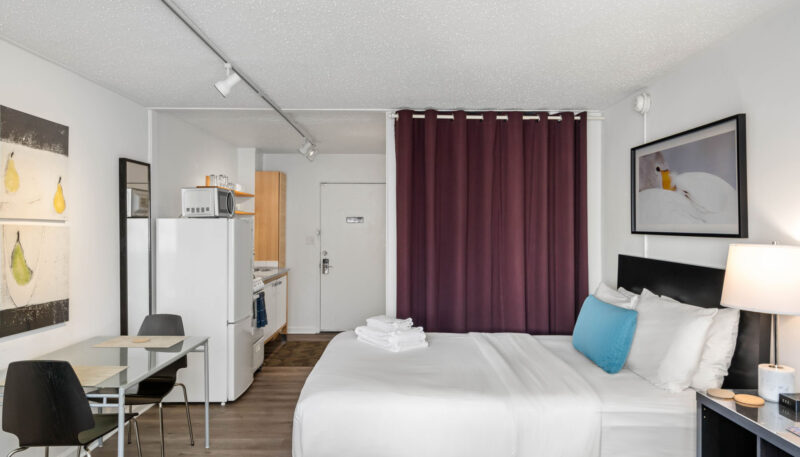
A furnished rental typically includes all essential household items, allowing tenants to move in with minimal personal belongings.
Common items provided:
- Bed, sofa, and dining furniture
- Appliances such as a refrigerator, stove, and microwave
- Basic cookware and utensils
- Lighting, curtains, and sometimes décor
- In-unit laundry or shared facilities in some cases
The level of furnishing varies widely, so details matter.
Why Furnished Rentals Cost More
The higher rent isn’t arbitrary—it reflects additional costs and risks for landlords.
Factors driving the premium include:
- Upfront cost of furniture and appliances
- Ongoing maintenance and replacement
- Faster wear and tear
- Higher turnover rates
- Storage and logistics considerations
On average, furnished rentals cost 10–30% more than comparable unfurnished units in the same area.
Who Benefits Most From Furnished Rentals?
Furnished apartments aren’t designed for everyone, but they’re ideal for certain situations.
They make sense if you:
- Are relocating temporarily for work
- Need housing for a short-term lease
- Travel frequently or live between cities
- Want to avoid moving and storage costs
- Prefer flexibility over long-term commitment
In these cases, convenience often outweighs the higher rent.
The Hidden Savings People Overlook
While rent is higher, furnished rentals can reduce other expenses.
Potential savings include:
- No furniture purchases
- No moving truck or labor costs
- No furniture storage fees
- Faster move-in and move-out
- Lower upfront cash requirements
When these are factored in, the price gap may shrink significantly.
Downsides to Consider Carefully
Furnished rentals aren’t risk-free.
Common drawbacks:
- Less control over style and comfort
- Potential liability for furniture damage
- Older or lower-quality furnishings
- Limited ability to personalize the space
- Higher security deposits in some cases
Renters who value customization often find these limitations frustrating.
Short-Term vs. Long-Term Cost Comparison
The length of your stay is the tipping point.
- Short-term stays (under 12 months): Furnished rentals often cost less overall
- Long-term stays (12+ months): Unfurnished rentals usually become more economical
The longer you stay, the more sense it makes to own your furniture.
Lease Flexibility and Convenience
Furnished rentals frequently offer:
- Shorter lease terms
- Easier lease renewals
- Faster approval processes
- Utilities bundled into rent
This flexibility appeals to professionals, students, and remote workers who prioritize simplicity.
How to Decide If It’s Worth It
Ask yourself:
- How long will I realistically stay?
- Do I already own furniture?
- Can I afford the higher monthly rent comfortably?
- How important is convenience right now?
The right choice aligns with your current phase of life, not just the price tag.
FAQs About Furnished Rentals
1. Are utilities usually included in furnished rentals?
Often yes, but not always. Always confirm what’s bundled before signing.
2. Can I remove or replace furniture in a furnished rental?
Some landlords allow it, others don’t. Permission should be in writing.
3. Do furnished rentals attract higher security deposits?
They can, due to the added value of furnishings.
4. Is renters insurance more important for furnished units?
Yes. Coverage helps protect against accidental damage to provided items.
5. Are furnished rentals harder to find?
Availability depends on the city and demand for short-term housing.
6. Can furnished rentals be negotiated?
Sometimes. Landlords may reduce rent for longer lease commitments.
7. Do furnished rentals depreciate in value over time?
Furniture ages, but rent is driven more by market demand than furniture condition alone.
Furnished rentals aren’t inherently better or worse—they’re situationally smart. When convenience, flexibility, and mobility matter more than long-term savings, the extra cost can be well worth it.

Comments are closed.