
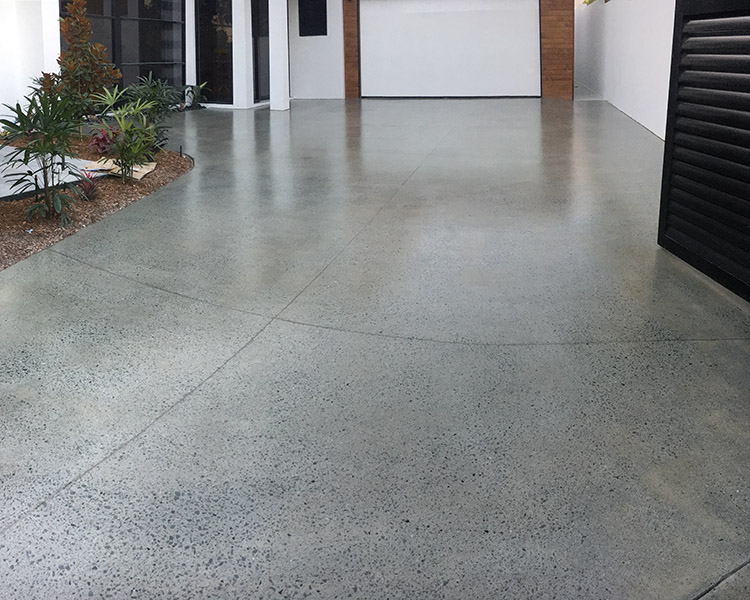

Most Australian homes lean heavily on concrete. It’s in the driveway, around the pool, across the patio—basically anywhere that needs something tough and long-lasting. And to be fair, concrete delivers on that promise. But there’s one thing people don’t always notice until it becomes a problem: it can get surprisingly slippery.
It doesn’t take much either. A bit of rain, some pool water splashing around, or even early morning moisture can turn a solid surface into something you suddenly have to walk across carefully. That’s usually when homeowners start thinking about safer options. A non-slip concrete sealer tends to come up pretty quickly—and for good reason.
Why Standard Concrete Becomes Dangerous
Concrete might look rough and grippy at first, but it doesn’t stay that way forever. Over time, the surface wears down. Foot traffic, weather exposure, and general use slowly smooth it out. You don’t really notice it happening day by day, but eventually, it’s not the same surface you started with.
In Australia, the climate doesn’t exactly help. Strong sun can dry and weaken the surface, while rain and humidity keep introducing moisture. In some places, especially near the coast, salt can also play a role in changing how concrete behaves over time.
Some areas tend to be worse than others:
- Pool surrounds where water is constantly present
- Outdoor stairs that catch rain
- Slightly sloped driveways
- Backyard patios used for entertaining
These are the spots where slips usually happen—not because people are careless, but because the surface quietly changed.
Choosing the Right Non-Slip Sealer
Choosing a non-slip sealer might sound complicated at first, but it’s simpler than it looks. In Australia, slip resistance is measured using P-ratings—the higher the rating, the better the grip in wet conditions. For areas like pools or patios, a P4 rating is usually a safe bet.
For example, Crommelin’s Heavy Duty Non-Slip Floor Sealer offers a P4 rating and is built for Australian conditions.
You’ll mainly choose between water-based and solvent-based sealers. Water-based options are easier to apply and more DIY-friendly, while solvent-based ones offer deeper protection but require more care.
For most homes, a good water-based non slip concrete sealer provides the right balance of safety and convenience.
Benefits of Non-Slip Concrete Sealers
This is where things start to shift. A non-slip sealer doesn’t just “fix” the surface—it upgrades it in a way that’s both practical and noticeable.
The biggest difference is safety. Once applied, the surface feels more secure, even when it’s wet. You don’t get that uneasy feeling when stepping out of the pool or walking across a damp patio. It just feels… stable.
There’s also the added layer of protection. A good sealer helps keep moisture out, which slows down wear and tear. It can also reduce staining, which is a nice bonus if you’ve ever dealt with oil spots or dirt patches that just won’t budge.
Application Tips for DIY Homeowners
The idea of sealing concrete might sound like a big job, but in reality, it’s manageable if you take it step by step.
The prep work is probably the most important part. The surface needs to be clean—really clean. Dirt, grease, or any kind of buildup can interfere with how well the sealer sticks. A pressure wash usually does the trick, but the key is letting everything dry properly before moving forward.
When it comes to applying the sealer, most people use a roller or sprayer. The trick here isn’t speed—it’s consistency. Even coverage matters more than anything. Too much product in one spot can cause issues, and too little won’t give you the full benefit.
Drying time is another thing you don’t want to rush. It might be tempting to walk on it sooner, especially if the weather looks unpredictable, but giving it the proper time to cure makes a big difference in how it performs.
After that, maintenance is pretty straightforward. Regular cleaning helps keep the surface in good shape, and every few years, a recoat might be needed depending on how much use the area gets.
Before and After Results
This is one of those changes that’s easier to feel than to describe.
Before sealing, surfaces can feel a bit unpredictable—especially when wet. You might not think about it consciously, but there’s always a slight hesitation in how you step.
After applying a non-slip sealer, that hesitation tends to disappear. The surface feels more dependable. Walking across a damp area doesn’t require the same level of caution.
Visually, there’s often a subtle improvement too. The concrete looks a bit fresher, sometimes slightly darker or more even in tone. It’s not a dramatic transformation, but it’s enough to notice.
Conclusion
Concrete is built to last, but that doesn’t automatically make it safe—especially in outdoor areas where water is part of everyday life. Over time, even the toughest surfaces can become a bit risky underfoot.
That’s why solutions like a non-slip sealer make sense. They don’t just address a problem—they prevent it from becoming something bigger.
For Australian homeowners, it’s a practical upgrade. Safer surfaces, longer-lasting concrete, and a cleaner overall look—it all adds up. And once it’s done, it’s one less thing to worry about when you’re just trying to enjoy your space.

Comments are closed.